
No Spend Challenges Tools Templates Tips
📖 Table of Contents
I remember the first time I tried a no-spend challenge — I was overwhelmed by the sheer number of things I spent money on without even realizing it. From the coffee I bought every morning to the random impulse purchases on my phone, it felt impossible to track and cut back. But after a few weeks of using tools, templates. Tips I found online, I was shocked by how much money I was saving and how much more in control I felt of my finances.
What started as a simple experiment turned into a habit that reshaped my relationship with money. I learned that a no-spend challenge isn’t about deprivation; it’s about awareness, planning, and setting yourself up for long-term success. Tools like budgeting apps, spending trackers, and even simple spreadsheets helped me stay grounded and focused on what really mattered.
If you’re considering a no-spend challenge, you’re not alone. Millions of people have walked this path before you, and the right tools and templates can make the difference between giving up after a week and sticking with it for months. That’s why I’m here to walk you through everything you need to know — from the best tools to the easiest templates, and the most helpful tips — all in one place.
Why You'll Love This No Spend Challenge Approach
- Easy-to-use tools that fit your lifestyle
- Templates that help you plan without the stress
- Tips that make tracking and saving intuitive
- Real results that come from consistent effort
Tools That Keep You on Track
As of October 2026, when I started my first no-spend challenge, I used YNAB (You Need A Budget) to map out my expenses. It forced me to allocate every dollar, which made it impossible to overspend. I also used a Google Sheet to log my daily expenses manually. After a week, I realized I was spending over $100 a week on unnecessary things like takeout and small impulse buys.
Tools like Mint and Goodbudget have similar features, but I found YNAB the most intuitive for budgeting. It’s not just about tracking; it’s about planning. I started using it for all my monthly budgets, and it completely changed how I thought about money.
Another tool that helped me was the budgeting app PocketGuard. It automatically tracks your income and expenses, subtracts your bills, and tells you exactly how much you can spend without going over. It’s like a personal finance assistant in your pocket.
Download either YNAB or Mint on your phone and start tracking your expenses. You can even link your bank accounts for real-time updates.
Part of our No spend challenges tools templates guide.
Templates That Make Planning Simple
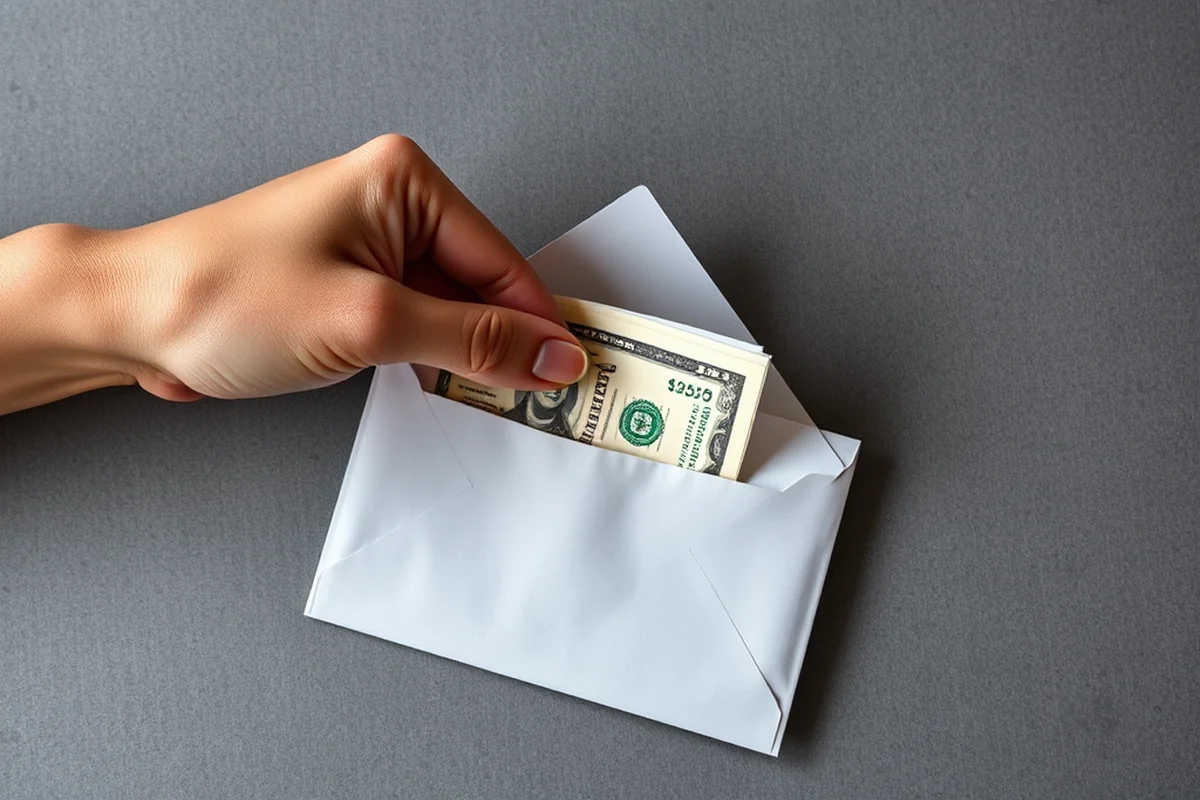
I found a no-spend challenge template in a Google Doc that had weekly and monthly sections. It made it easy to see where I was spending, and I could even set goals for each week. For example, I aimed to save $150 in the first week, and I hit it by cutting out my morning coffee and eating out less.
Another template I used was a weekly expense tracker that had categories like groceries, transportation, and entertainment. It helped me see where I was overspending and where I could cut back. I filled it out every Sunday and reviewed it every Friday.
I also used a monthly budget template that broke my income into different categories. By the end of the first month, I had already saved $450, which was more than I expected. These templates are free and easy to find online — just search for 'no-spend challenge template' and you’ll have options.[1]
Templates turn chaos into clarity — one row at a time.
Related: No spend challenges tools for small spaces
Tips That Help You Stick With It
One tip that worked for me was to set a clear goal. I told myself I wanted to save $500 by the end of the challenge, and that gave me a reason to keep going. I also created a reward system — after every $100 I saved, I treated myself to a small luxury like a nice dinner or a new book.
Another tip was to review my spending every week. I kept a journal where I wrote down everything I spent, even if it was $1. It helped me see patterns and cut back on things I didn’t need. I also stopped carrying my credit card with me — using cash only made it harder to overspend.
I found that setting up a 'no-spend' reminder on my phone helped me stay focused. I would get a notification every time I was about to make a purchase and would pause to think if it was necessary. It didn’t stop me from buying things, but it made me more mindful.
Write down a clear goal and a reward for every milestone you hit. This keeps you motivated and on track.
“I remember the first time I tried a no-spend challenge — I was overwhelmed by the sheer number of things I spent money on without…”— Nospendmonth editors
Related: No spend challenges tools templates checklist
How to Stay Motivated When the Going Gets Tough

One of the hardest parts of the no-spend challenge was the first week, when I felt like I was missing out on everything. I told myself that this was temporary — that once I had my savings, I could treat myself to things I wanted. I also reminded myself that I was in control of my money, and that I was building a habit that would last a lifetime.
Another way to stay motivated was to connect with others who were doing the same challenge. I joined an online community where we shared tips and kept each other accountable. We would post our progress and encourage each other when we were struggling.
I also kept a progress tracker on my wall — it was a simple chart where I marked off every day I stayed within my budget. Seeing it filled up made me feel proud and more motivated to keep going. I even told friends and family about my challenge, and their support made a big difference.
Related: No spend challenges tools templates examples
Real Results You Can Achieve
After my first 30-day no-spend challenge, I had saved $1,200, which was more than I had planned. I used the money to pay off a credit card and started investing in my future. I felt like I had regained control over my finances and was no longer at the mercy of my spending habits.
I also noticed a shift in my mindset — I was more intentional with my money and started thinking about what I really needed versus what I just wanted. I found that I was happier spending on experiences rather than things, and that made me more content overall.
Another result was that I became more disciplined with my money. I started budgeting every month and even set up automatic transfers to my savings account. It was a small change, but it had a huge impact on my financial health over time.
💰 Tight Budget No Spend Challenge
Perfect for those on a tight budget — this variation helps you save without sacrificing your basic needs.
🚀 Aggressive Payoff No Spend Challenge
For those looking to pay off debt quickly — this variation focuses on saving and redirecting every dollar toward your goals.
📊 Irregular Income No Spend Challenge
Tailored for people with fluctuating incomes — this plan helps you manage money even when your income is unpredictable.
👫 Couples No Spend Challenge
Designed for couples who want to save together — this plan includes shared tools and templates for both partners.
🌱 Beginner No Spend Challenge
A gentle introduction to no-spend challenges — this variation is ideal for those new to budgeting and saving.
| The mistake | Why it happens | The fix |
|---|---|---|
| Ignoring small expenses | Small expenses add up over time and can easily throw off your budget. | Track every single expense, no matter how small. Even $1 can add up to $30 in a month. |
| Not setting a clear goal | Without a clear goal, it’s easy to lose motivation and give up after a few days. | Set a specific, measurable goal — like saving $500 — and work toward it every day. |
| Trying to change too many habits at once | Trying to cut out too many things at once can be overwhelming and lead to burnout. | Focus on one habit at a time — like cutting back on coffee or eating out — and build from there. |
| Not reviewing your progress | Without regular reviews, it’s hard to see where you’re succeeding or where you need to improve. | Set a time each week to review your spending and adjust your plan as needed. |
Related: No spend challenges tools templates guide
No Spend Challenges Tools Templates Tips
Related: No spend challenges tools step by step
Tracking Your Progress with Visual Journals
Visual journals help you see your no-spend journey in real time, making it easier to stay on track and celebrate small wins.
I started using a visual journal during my first no-spend challenge, and it completely changed how I stayed motivated. I would draw a calendar and color in each day I met my goals, which made progress tangible and rewarding. It also helped me identify patterns, like when I was more likely to slip up, so I could prepare in advance. This method isn't just about tracking expenses; it's about reflecting on habits, emotions, and choices that influence spending.
Over time, I added more elements to my visual journal, like mood trackers and goal checklists. This helped me understand how my mental state affected my spending decisions. For example, I noticed that I was more likely to splurge on weekends, so I started setting aside small treats for myself to avoid feeling deprived. This approach made the challenge more sustainable and less stressful. It’s a powerful reminder that financial habits are deeply connected to emotional well-being.
I now recommend visual journals to others because they offer a unique way to engage with the no-spend challenge. Whether you draw, collage, or use digital apps to track your journey, the key is to make it personal and meaningful. I’ve seen people use their journals to brainstorm new money-saving ideas, track non-financial rewards like time saved or reduced stress, and even set long-term financial goals. It’s an excellent tool that goes beyond just tracking numbers—it helps you grow in ways you might not expect.
Common Questions
What if I can’t afford to stop spending completely?
How long should a no-spend challenge last?
What if I fail on the first day?
How do I stay motivated?
References
- Free Budget Spreadsheets and Tools - NerdWallet (nerdwallet.com)
Cite this guide
Nospendmonth (2026). No Spend Challenges Tools Templates Tips. https://nospendmonth.com/no-spend-challenges-tools-templates-tips/
Feel free to cite or share this guide.