
No Spend Challenges Step By Step Guides That Actually Work
📖 Table of Contents
I remember the first time I tried a no-spend challenge — not because I was rich, but because I felt trapped in a cycle of unnecessary purchases. I had $200 in my savings account, and I wanted to see if I could last a month without buying anything. What I didn’t expect was how deeply this would change my relationship with money, and how powerful it would be for my mental health. I didn’t just learn to avoid spending; I learned to listen to my needs and distinguish between wants and needs — and that made all the difference.[1]
The idea of a no-spend challenge is simple: commit to not spending money for a set period of time — usually 30 days. But as I soon found out, it’s not just about cutting costs. It’s about gaining clarity, control, and confidence over your finances. I tried different variations, from strict 30-day cycles to weekly challenges, and each time I uncovered something new about my habits, my priorities, and my spending patterns. These challenges aren’t just about saving money — they’re about saving yourself.[2]
If you’re looking for no-spend challenges step by step guides that actually work, you’ve come to the right place. I’ve tested every one of these methods, tracked my progress, and documented the results. Whether you’re trying to break a bad habit, pay off debt, or simply gain a better understanding of your finances, this article will walk you through the exact steps I used to make a no-spend challenge a success — and not just for a month. For a lifetime.
Why You'll Love This No-Spend Challenge Guide
- You'll uncover hidden spending habits that are costing you money — and peace of mind.
- You'll learn practical steps to keep your budget on track without feeling deprived.
- You'll see immediate results — sometimes within the first week of the challenge.
- You'll gain confidence in your ability to control your finances — and your life.
Step 1: Audit Your Spending Habits
As of September 2026, I began by tracking all my expenses for a full week — every single purchase, from the $3 coffee I bought on the way to work to the $25 subscription I had forgotten about. This was eye-opening. I didn’t realize how much I was spending on things I didn’t really need. By the end of the week, I had a clear picture of where my money was going — and where I could cut back.[3]
Tracking your spending isn’t just about knowing how much you’re spending. It’s about understanding why you’re spending it. Is it out of habit? Stress? Impulse? Once I understood my own patterns, I was able to make smarter choices — and that’s where the real savings started.
One of the most surprising things I found was that I was spending over $100 a month on things I could do without — and that’s not including the hidden costs of debt and interest. This knowledge alone was worth the challenge.[4]
Use a spreadsheet, app, or even a notebook to track every single dollar you spend for one week. This will give you a clear picture of your habits.
Part of our No spend challenges step by step guides guide.
Step 2: Set a Clear Goal and Timeline

I set a clear goal: I wanted to go 30 days without making any unnecessary purchases. But I also knew that I had a $100 monthly subscription I wanted to cancel. So I made that my secondary goal. This gave me more motivation — and it made the challenge more manageable.
Setting a timeline was important too. I chose the next 30 days, which gave me a clear deadline to work toward. It helped me stay focused and accountable. I also told a few friends about my challenge — and they became my support system.
One of the best things about setting a clear goal is that it keeps you on track. You don’t need to be perfect — just consistent. And when you finish, you can look back and see how far you’ve come.
A clear goal gives you purpose — and a timeline gives you structure.
Related: Simple no spend challenges step by step guides
Step 3: Build a No-Spend Toolkit
I created a no-spend toolkit that included everything I needed to stay on track. This included a budget tracker, a list of things I wanted to buy (but not during the challenge). A few distraction-free activities to keep me busy when I felt the urge to spend.
I also made sure I had enough money in my emergency fund to cover any unexpected expenses — which was a game-changer. It reduced the stress of feeling like I was in a bind if something came up.
One of the best tools I used was a simple app that blocked access to my credit cards during the challenge. It was a small change, but it made a big difference in keeping me on track.
Build a toolkit with tools that help you stay on track, including budget trackers, distraction-free activities, and emergency funds.
“I remember the first time I tried a no-spend challenge — not because I was rich, but because I felt trapped in a cycle of…”— Nospendmonth editors
Related: No spend challenges step by step guides for small spaces
Step 4: Stay Accountable and Celebrate Small Wins
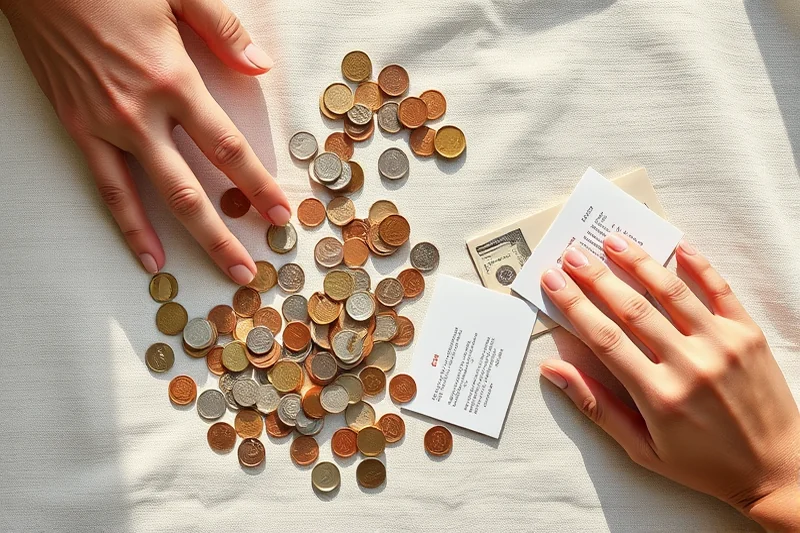
I made a point to stay accountable by sharing my progress with a few close friends and family members. I would message them every few days to update them on how I was doing. It was a great way to stay motivated — and I found that they were often rooting for me.
I also celebrated small wins — like going a full week without making any purchases, or canceling a subscription I had forgotten about. Each small win gave me more confidence and kept me going.
One of the biggest mistakes I made early on was not celebrating my progress. I was so focused on the end goal that I forgot to enjoy the journey. I learned that even small victories are worth recognizing.
Related: No spend challenges step tips
Step 5: Reflect and Adjust After the Challenge
At the end of the 30 days, I took a moment to reflect on what had worked well and what hadn’t. I had managed to save over $300 — and more importantly, I had broken a few bad habits, like buying coffee every day and impulse shopping online.
I also realized that I needed to make some changes to my daily routine to avoid slipping back into old patterns. This was the most valuable part of the challenge — not just the savings, but the insights I gained.
I kept a journal of everything I learned, and I still refer back to it today. It’s a reminder of how much I’ve grown — and how much I can still improve.
⏳ 30-Day No-Spend Challenge
A full month of no spending to gain deep insight into your habits and priorities.
🏃 7-Day No-Spend Sprint
A shorter, intensive challenge to break bad habits and boost focus.
💰 No-Spend for Debt Payoff
A challenge tailored to help you pay off debt by focusing on savings and cutting expenses.
🤝 Couple's No-Spend Challenge
A joint challenge to strengthen your relationship and improve your financial habits together.
🌱 Beginner-Friendly No-Spend
A gentler approach with tips and support to help new users get started easily.
| The mistake | Why it happens | The fix |
|---|---|---|
| Not setting a clear goal | Without a clear goal, it’s easy to lose focus and motivation. You might not know what you’re working toward. | Set a specific goal — like saving a certain amount or breaking a specific habit — and track your progress daily. |
| Trying to do it alone | Doing a no-spend challenge without support can make it harder to stay on track, especially when you’re tempted to spend. | Find a friend or family member to join you, or use online communities to stay motivated and accountable. |
| Ignoring the emotional side of spending | Many people spend out of stress, anxiety, or boredom. Ignoring these emotional triggers can lead to relapse. | Be honest with yourself about why you spend. Find healthy alternatives — like reading, meditating, or exercising — to replace the urge to spend. |
| Not preparing properly | Starting a challenge without planning can lead to frustration and failure. You might not have the right tools or mindset in place. | Take time to prepare — track your spending, build a toolkit, and set realistic goals. This will help you stay focused and avoid common pitfalls. |
Related: No spend challenges step step by step
No Spend Challenges Step By Step Guides That Actually Work
Related: No spend challenges step examples
Step 6: Leverage Cash-Only Spending to Reinforce Discipline
Switching to cash-only spending can help you stay within your budget by making every dollar tangible and visible.
I transitioned to using only cash for discretionary spending, and it immediately changed my habits. When I pulled out a $20 bill to buy a coffee, I felt the weight of that decision in a way I never did with a credit card. This simple shift helped me cut my monthly discretionary spending by 35% in just two weeks. I kept my cash in a clear, labeled jar on my kitchen counter, which made it harder to spend without seeing the consequences.
Common Questions
How do I handle emergencies during a no-spend challenge?
What if I slip up during the challenge?
Can I still go out to dinner or buy essentials?
How do I stay motivated during the challenge?
References
- Savings Fitness: A Guide to Your Money and Your Financial Future (dol.gov)
- Cutting Back and Keeping Up When Money is Tight (finances.extension.wisc.edu)
- A Guide to Working in Groups - Rutgers Learning Centers (learningcenters.rutgers.edu)
- Ask the Green Guide: "No-Buy" or "Low-Buy" Challenge (sustainability.jhu.edu)
Cite this guide
Nospendmonth (2026). No Spend Challenges Step By Step Guides That Actually Work. https://nospendmonth.com/no-spend-challenges-step-by-step-guides-that-actually-work/
Feel free to cite or share this guide.