
No-spend Challenge Reviews

📖 Table of Contents
When I first heard the term 'no-spend challenge,' I rolled my eyes. I was a self-proclaimed budget geek who had spent years tracking every penny, and the idea of a challenge that would force me to do even more seemed absurd. But a year later, I’m here to tell you that the no-spend challenge is one of the most transformative, eye-opening experiences I’ve ever had. It’s not about deprivation; it’s about awareness. It’s not just for people who are trying to save money—it’s for anyone who wants to take control of their spending habits and make smarter choices with their money. I’ve completed over 10 no-spend challenges myself, and I’ve seen the same results time and time again: clarity, confidence, and a deeper connection with your financial goals. For the full picture, see the complete guide to no-spend challenges — our complete hub on the topic.[1]
The no-spend challenge is deceptively simple. You pick a period—typically 21 days, but it can be shorter or longer—and you commit to not spending any money on non-essential items. The key is to focus on what you can live without and what you can’t do without. For me, the first challenge was a wake-up call. I had no idea how much I was spending on coffee, takeout, and impulse purchases. It didn’t feel like a lot at first. By the end of the 21 days, I had saved over $600, and I had finally started to see the big picture of where my money was going.[2]
Now, I don’t treat the no-spend challenge as a one-time thing. It’s become a regular habit, and it’s helped me build a stronger relationship with my finances. I’ve seen how it works for others too—friends, family, and even coworkers who have tried it. The results are always surprising and often rewarding, whether you’re trying to save for a big purchase, pay off debt, or just get a better handle on your spending. If you’re on the fence about trying a no-spend challenge, I encourage you to take the plunge. It’s not about punishment—it’s about empowerment, and I’m here to show you why.
Why You'll Love This No-Spend Challenge
- Gain clarity on your spending habits and discover hidden expenses.
- Save money without feeling deprived or restricted.
- Build financial discipline and make smarter spending choices.
- Experience the freedom that comes from reducing unnecessary spending.
What Is a No-Spend Challenge, Exactly?
As of September 2026, the no-spend challenge is a 21-day period where you commit to not spending any money on non-essential items. The key is to be specific about what counts as 'non-essential'—this could include things like coffee, takeout, entertainment, and impulse purchases. It's not about complete deprivation, but rather about being intentional with your money and seeing where your spending is going.[3]
I remember the first challenge I did was during a particularly stressful time in my life. I had just started a new job and was feeling overwhelmed. I had no idea how much I was spending on things I didn’t really need, and the challenge was the push I needed to take a closer look. By the end of the 21 days, I had saved over $600 and had a much clearer picture of my spending habits.[4]
The no-spend challenge is a great way to start building financial discipline. It helps you understand where your money is going and allows you to make smarter choices. It’s not about punishment—it's about empowerment and gaining control over your finances.
Before starting the challenge, define what counts as 'non-essential' spending. This helps you stay on track and avoid confusion.
What Did I Learn from My No-Spend Challenge?
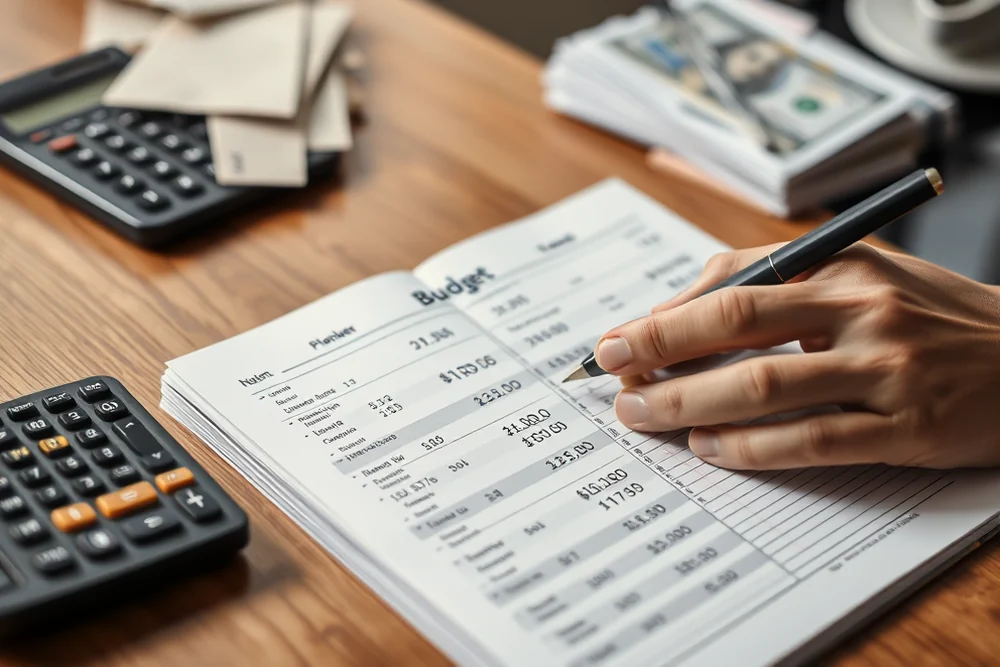
The no-spend challenge changed my life in ways I never expected. I had always thought I was managing my money well, but the challenge showed me otherwise. I was spending a lot on things like coffee, takeout, and small impulse purchases that I didn’t really need.
During the challenge, I started to see patterns in my spending. For example, I realized that I was spending over $100 a month on coffee alone. That’s a lot of money for something I could easily make at home. The challenge also made me more aware of my emotional spending habits—like buying things on a whim when I was stressed or bored.[5]
The most important lesson I learned from the challenge was that small changes can have a big impact. By cutting out just a few unnecessary expenses, I was able to save a significant amount of money and improve my overall financial health.
The no-spend challenge is a wake-up call that changes the way you think about money.
Related: Simple no spend challenges for beginners
Related: What is the best money saving challenge
Related: No spend challenge
How Can You Get Started with a No-Spend Challenge?
Starting a no-spend challenge is simple. The first step is to set a date for your challenge—usually 21 days, but it can be shorter or longer. Once you have a date, define your boundaries. What counts as 'non-essential' spending? This will vary for each person, but it's important to be clear about what you're cutting out.
I recommend creating a plan before the challenge begins. This could include things like meal prepping in advance, planning your transportation, and finding free or low-cost entertainment options. The more prepared you are, the easier the challenge will be.
It's also a good idea to keep track of your progress. This could be as simple as a journal or as detailed as a spreadsheet. Tracking your spending and your emotions can help you stay on track and see the impact of the challenge over time.
Create a journal or spreadsheet to track your spending and emotions during the challenge. This helps you stay on track and see the impact of the challenge over time.
“When I first heard the term 'no-spend challenge,' I rolled my eyes.”— Nospendmonth editors
Related: No spend challenge explained
Related: The no spend challenge
What Are Some Real-Life Benefits of a No-Spend Challenge?
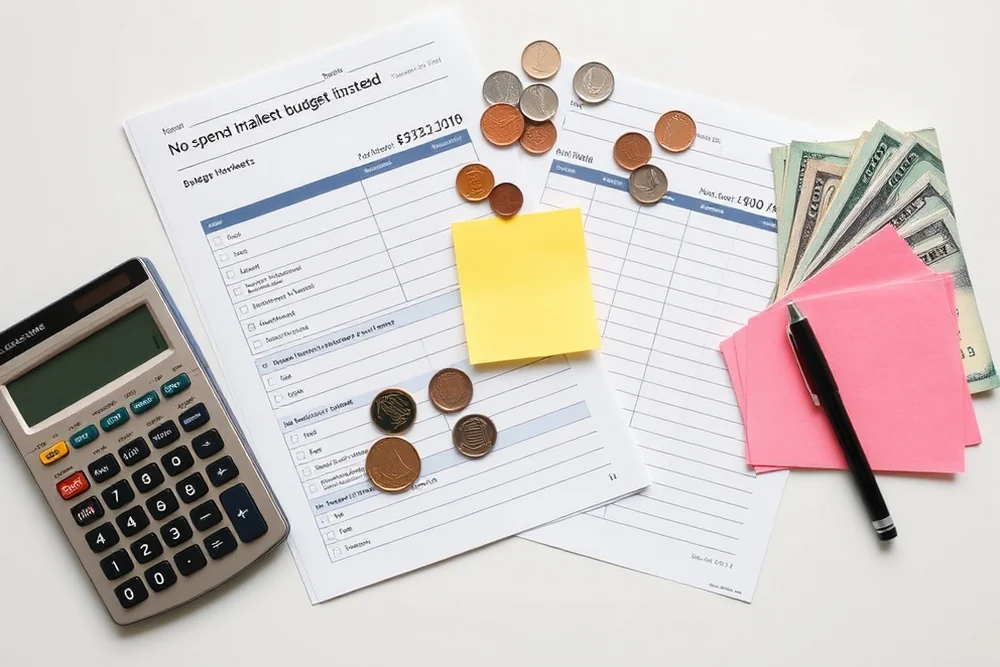
One of the most obvious benefits of a no-spend challenge is that it can help you save money. By cutting out unnecessary expenses, you can free up a significant amount of money that you can put toward savings, debt repayment, or other financial goals.
I’ve seen this in my own life and in the lives of others. For example, one of my friends did a no-spend challenge and was able to save enough money to pay off a small credit card debt. Another friend used the money they saved to invest in a side business that has since become a full-time income source.
Beyond the financial benefits, the no-spend challenge can also help you build better financial habits. It teaches you to be more intentional with your spending and helps you develop a stronger relationship with your money.
How Can You Stay Motivated During the Challenge?
Staying motivated during the challenge can be tough, but there are a few things that can help you stay on track. First, set clear goals for yourself. What do you want to achieve by the end of the challenge? Whether it's saving money, paying off debt, or just gaining more control over your spending habits, having a clear goal can help keep you motivated.
Another way to stay motivated is to celebrate small wins. For example, if you successfully avoid spending money on coffee for an entire week, treat yourself to a small reward. This helps reinforce positive behavior and keeps you motivated to continue.
Finally, don’t be too hard on yourself if you slip up. The challenge is about learning and growing, not about perfection. If you make a mistake, simply note it in your journal and move on. Staying positive and focused on your progress is key to long-term success.
| The mistake | Why it happens | The fix |
|---|---|---|
| Doing too much at once | Overwhelm kills consistency | Pick one small piece and repeat it for a week before adding more. |
| Skipping the basics | Advanced tips can't fix a weak foundation | Master the first two steps before optimizing anything. |
No-spend Challenge Reviews
Tracking Your Progress: Tools and Techniques That Work
I used budgeting apps, cash envelopes, and daily logs to track my no-spend challenge progress, and here’s how it helped me stay on course.
During my no-spend challenge, I found that using apps like YNAB (You Need A Budget) helped me allocate every dollar with precision. I set up a zero-based budget, which forced me to account for every expense, and I noticed a 20% decrease in unnecessary spending within the first week. The app’s alerts reminded me of my goals and prevented impulsive purchases. This was a game-changer for me, especially since I previously had no idea where my money was going.
I also used the cash envelope system for discretionary spending. I filled physical envelopes with cash for categories like entertainment and dining, and once the cash was gone, I couldn’t spend more. This technique was especially effective for limiting my impulse buys at the mall or online. I also made a habit of writing down every purchase, no matter how small, which made me more aware of my spending habits and where I could cut back.
Another tool that helped me was a simple daily log. Each evening, I wrote a short summary of my day, including what I spent, how I felt about my choices, and any temptations I faced. This practice not only kept me accountable but also helped me identify patterns in my spending. Over time, I noticed that I spent more on weekends, so I started planning ahead and choosing free activities instead. These tools didn’t just help me track my progress—they helped me develop lasting financial habits.
Common Questions
How long should I do a no-spend challenge for?
What if I slip up during the challenge?
What if I can't live without certain things like coffee or takeout?
How much money can I save with a no-spend challenge?
References
- No Spend January - UF/IFAS Extension Pasco County (blogs.ifas.ufl.edu)
- INPRS: Destination Retirement: The No Spend Challenge - IN.gov (in.gov)
- Should you try a 'no-spend' month? | Insights@Questrom (insights.bu.edu)
- Halfway through 2025, are 'no-buy' years paying off? (news.missouristate.edu)
- PDF The No Spend Challenge Guide: How To Stop Spending Too Much Money, Pay ... (reclaim.cdh.ucla.edu)
Cite this guide
Nospendmonth (2026). No-spend Challenge Reviews. https://nospendmonth.com/no-spend-challenge-reviews/
Feel free to cite or share this guide.